
Dear friends,
We would love to hear about your current BioNova® projects. Please send Ryan, ryan@bionovanaturalpools.com, any information and pictures of your projects and we will gladly put them in the newsletter to share with all of the dealers. Thank you and we hope to see your inputs soon!
Here’s what’s happening at BioNova® Natural Pools North America…
What is Black Pond Water
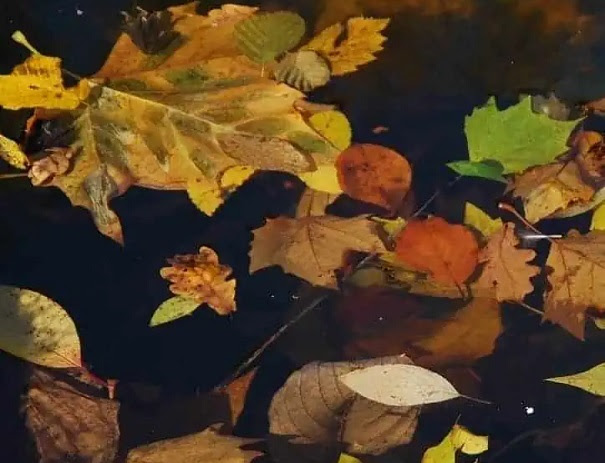
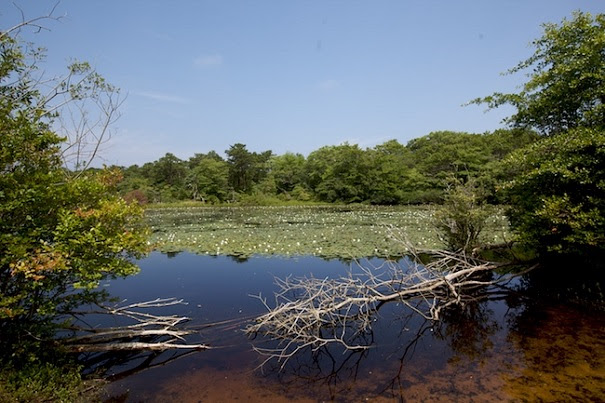
If your clients have standalone ponds, a regeneration zone, or a natural pool that is not covered during the colder months it can be quite a difficult task to keep the water looking perfect all year round, especially in months such as autumn where there is a large amount of debris settling in the water. Pond water will naturally shift in color throughout the year; becoming a more yellowish tea-like brown in autumn as tannins leak from fallen leaves and pine needles, and more green in the summer as algae tries to bloom under the sunlight. In most cases this is a harmless seasonal change that will balance out with regular maintenance, good filtration, and stable water conditions. Although this rapid change in color can seem scary to some, in most cases there is little you can do but to let the eco-system catch up and do its work.
However, even though seasonal changes in color can be natural and nothing to worry about, if the water is shifting to a much darker black color, it’s probably time to investigate further. A black color in the pond, whether it’s in the water or on the liner, is often a warning sign of a growing imbalance that needs attention. It’s rare for this type of color to occur rapidly, and it is more commonly the result of a long term problem, such as a lack of aeration causing beneficial bacteria to die and sludge to increase.
A black pond is not a good sign and needs to be investigated and treated before the problem can cause permanent damage to the natural eco-system. As mentioned, the most common cause of black pond water is due to buildup of waste, a lack of aeration, and the growth of slow-digesting anaerobic bacteria. Although cleaning out debris can seem like an unnecessary chore, unless a pond has a strong filtration system and plenty of aeration in place, beneficial bacteria can’t always keep up with demands. To breakdown all the debris, sludge, and gunk in the pond, beneficial bacteria require lots of dissolved oxygen to function efficiently. This type of bacteria, the good bacteria, is aerobic in nature; meaning it utilizes an oxygen-based metabolism.
In seasons with heavy debris fall, such as autumn, or if a client simply doesn’t clean out excess waste regularly, oxygen content will slowly drop and beneficial bacteria will die off. At this point the pond may look brown in color due to the leaking tannin from decaying debris, but will eventually turn black as the muck becomes filled with anaerobic bacteria which slowly break down waste and release potent waste products. This kind of bacteria functions in low oxygen conditions, thriving in the rotting humus which turns dark in appearance as things decay on the pond floor. This cause is often easy to spot as the black color is mostly on the pond floor as thick sludge, with an accompanying smell of sewage and rotten eggs around the water.
Another common cause of black water is damage or leaks to the pond liner or poor grading around the pond or pool which allow sediment and minerals to leech and run into the water. In most cases this problem would bring about a brown or yellow color, but this can also turn black as sediment levels build. If you’re in an area with high levels of mineral content in the soil, especially manganese, this could also be causing the darker shade of water color.
In summary, it is very important to emphasize to clients the importance of fall and spring deep cleanings to limit debris from building up and then breaking down in the water. A clean pond is a happy pond and will help keep a healthy eco system and beautiful water.
Stay Safe and Healthy.
We hope you all continue to stay healthy during these trying times and wish all of our BioNova® Dealers our best to you and your families.

Questions, Concerns, Thoughts
As always, we encourage you to contact us and share your thoughts, questions, and concerns with BioNova®. We are available to assist you in any way we can. Feel free to email me directly with photos, project updates, testimonials, etc., and we’ll include them in an upcoming Newsletter.
Respectfully,
Ryan Harmer
BioNova® Natural Pools
ryan@bionovanaturalpools.com
609-318-4707
