
Dear friends,
We would love to hear about your current BioNova® projects. Please send Ryan, ryan@bionovanaturalpools.com, any information and pictures of your projects and we will gladly put them in the newsletter to share with all of the dealers. Thank you and we hope to see your inputs soon!
Here’s what’s happening at BioNova® Natural Pools North America…
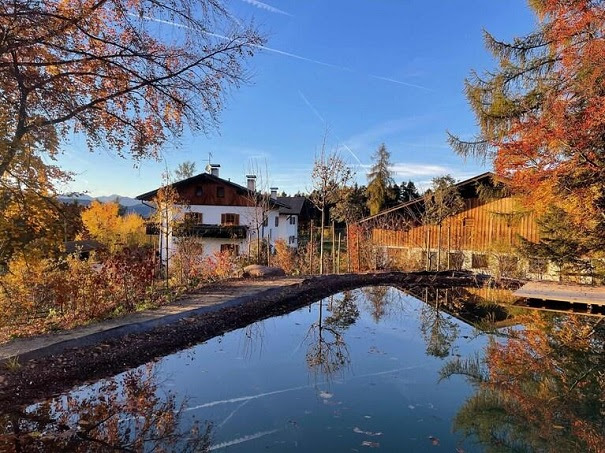
Do Natural Pools Need to Be Winterized?
As temperatures begin to drop and swimming season comes to an end, one question we hear from natural pool owners is: “Do I need to winterize my natural pool?”
The answer is: yes, but not necessarily in the same way you would winterize a traditional swimming pool. Last newsletter we focus more on the specialize equipment pieces found in natural pools, here we’d like to take a moment to take more toward the biology.
A natural swimming pool is a living ecosystem, and preparing it for winter is more about protecting the system and allowing the biology to transition naturally than shutting everything down.
Let the Ecosystem Slow Down Naturally
As water temperatures decrease, biological activity in a natural pool naturally slows. Beneficial microorganisms become less active, plants begin to go dormant, and the overall ecosystem requires less energy.
There is no need to try to force the pool into a particular condition before winter. Instead, the goal is to make sure the system is clean, functioning properly, and prepared for freezing temperatures.
Remove Leaves and Organic Debris
I know we’ve discussed this, but one of the most important fall maintenance tasks is keeping leaves and other organic material out of the pool.
Leaves that remain in the water eventually break down and release nutrients into the system. Removing them regularly helps minimize unnecessary nutrient loading and makes the transition into winter easier for the ecosystem.
As fall progresses, regular skimming and removal of accumulated debris should be part of your normal maintenance routine.
Check Your Equipment
Before freezing temperatures arrive, inspect the components that keep your natural pool operating.
Check pumps, plumbing, skimmers, valves, filter components, and other equipment for proper operation. If your particular system requires equipment to be shut down or protected during freezing weather, those steps should be completed before temperatures drop below freezing.
The exact winterization procedure can vary depending on the design of the natural pool, climate, circulation system, and equipment configuration.
What About the Biofilter?
The biological filtration system doesn’t simply stop being important because swimming season is over.
As temperatures fall, the microorganisms within the biofilter become less active, but the biological system is still part of the pool’s ecosystem. Rather than trying to chemically clean or sterilize the system before winter, allow the biofilter to transition naturally with the changing seasons.
This is one of the fundamental differences between a natural swimming pool and a conventional chemically treated pool: the goal is to maintain a healthy ecosystem, not eliminate the biology.
Don’t Overdo It
Fall maintenance is important, but there’s also a danger in doing too much.
You don’t need to aggressively scrub every surface, remove healthy biofilm, or make unnecessary changes simply because the pool looks different as the seasons change. A natural pool is designed to work with seasonal biological changes. Think of fall maintenance as preparation rather than intervention.
Remove excess debris, inspect your equipment, address anything that genuinely needs attention, and then allow the ecosystem to slow down naturally.
Preparing for a Better Spring
A little attention in the fall can make the transition into spring much easier.
By keeping leaves and organic debris under control, making sure equipment is ready for winter, and allowing the biological system to follow its natural seasonal cycle, you’re setting the stage for a healthy restart when warmer temperatures return.
Winterizing a natural pool isn’t about shutting nature down. It’s about protecting the system while giving nature time to rest. And when spring arrives, your natural pool will be ready to begin its next seasonal cycle.
Stay Safe and Healthy.
We hope you all continue to stay healthy during these trying times and wish all of our BioNova® Dealers our best to you and your families.

Questions, Concerns, Thoughts
As always, we encourage you to contact us and share your thoughts, questions, and concerns with BioNova®. We are available to assist you in any way we can. Feel free to email me directly with photos, project updates, testimonials, etc., and we’ll include them in an upcoming Newsletter.
Respectfully,
Ryan Harmer
BioNova® Natural Pools
ryan@bionovanaturalpools.com
609-318-4707
